Blog · Workplace · 5 min read
Burnout or just tired? A psychologist's guide for HR and L&D leaders
How to tell everyday fatigue from burnout in your teams, and what actually helps, beyond a one-off wellness talk.
Tripti Sharma · Psychologist & founder, Unmasking Minds · 18 October 2026
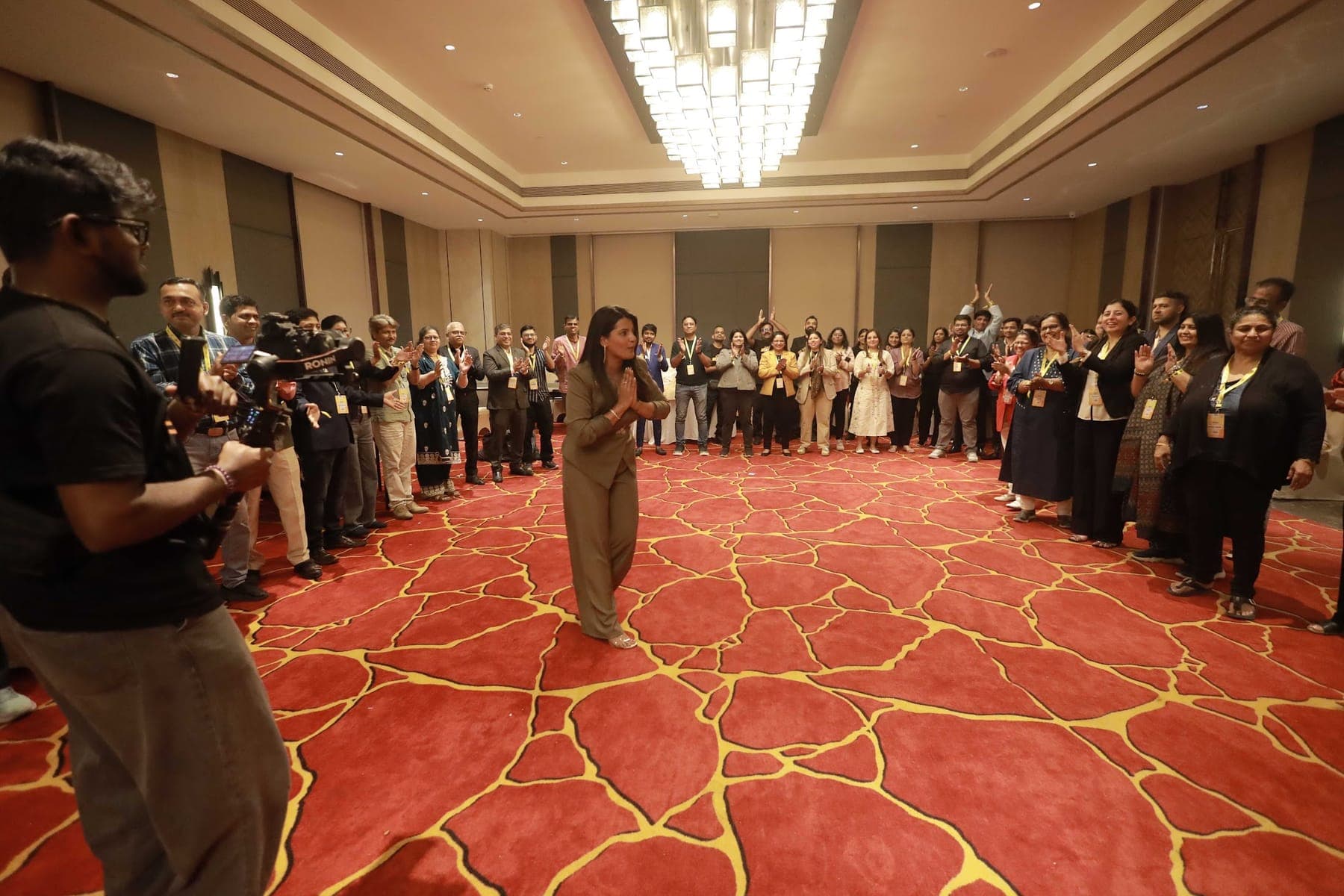
In more than 500 corporate workshops, the question I hear most from HR leaders is: "How do we know if our people are burnt out, or just busy?" The difference matters, because the solutions are different.
Tired recovers. Burnout doesn't.
Ordinary tiredness improves with a weekend or a holiday. Burnout tends to persist even after rest, and it shows up in three ways: exhaustion, growing cynicism or detachment from work, and a sense that nothing you do makes a difference.
Signals to watch for in your teams
- High performers becoming quiet, irritable or withdrawn
- More sick days, or people 'present' but disengaged
- Rising conflict, and less patience in meetings
- Talented people leaving without a clear reason
What actually helps
A single motivational talk feels good on the day, but rarely changes much. What works is a mix of skills, safety and structure: teaching people to recognise their own stress responses, building psychological safety so they can speak up early, and giving managers the emotional intelligence to notice and respond.
Wellbeing isn't a perk. It's how people stay able to do great work.
If you're seeing these signals, start small: a focused session for one team, then measure what changes. That's exactly why I offer a free 30-minute introductory session.