Unmasking Minds Academy · India
Relationship coach certification in India: what to look for, and where to start.
- 1,000+ coaches trained
- Live online
- English & Hindi
If people already bring you their relationship troubles, training can turn that instinct into a skilled, ethical practice. Here's what a good programme should give you.
- Coaches trained
- 1,000+
- Start with
- ₹999 live workshop
- Format
- Live cohort, online
- Language
- English & Hindi
What a relationship coach does (and doesn't do)
A relationship coach helps individuals and couples build skills and reach goals: communicating better, setting boundaries, dating with intention, preparing for marriage or rebuilding after a breakup. Coaching looks forward and focuses on action.
A coach does not diagnose or treat mental-health conditions. Depression, trauma, addiction, abuse and thoughts of self-harm need a qualified mental-health professional. One of the most important skills any coach learns is recognising when to refer, and doing it kindly. Read when a coach should refer to a therapist.
What to look for in any certification
Coaching is not a government-licensed profession in India in the way clinical psychology is. That makes choosing a programme carefully more important. Look for:
- A qualified teacher. Who designed the programme, and what is their own training and practice?
- Real practice, with feedback. Watching videos isn't enough; you should coach and be observed.
- Ethics and limits. Confidentiality, boundaries, and clear guidance on referral.
- Frameworks you can explain. Structured approaches for individuals, couples and groups.
- Honesty about outcomes. Be wary of promises of quick incomes. Your results will depend on your own practice and effort.
What the certification covers
- 01Heal your own patterns firstUnderstand your attachment style and relationship history, so you coach from clarity, not from your wounds.
- 02Emotional intelligence for coachesDeep listening, empathy without absorbing, and regulating emotions in charged conversations.
- 03Coaching frameworks: 1:1 & groupStructured, ethical frameworks for individual clients, couples and group programmes.
- 04Your professional coaching identityFind your niche, voice and personal brand as a relationship coach.
- 05Attracting the right clientsEthical marketing, discovery calls and pricing your work with confidence.
- 06Launch your practiceSet up, structure and grow your own coaching practice, step by step.
- Start hereLive Relationship Coaching Workshop₹999 · Live online · English & Hindi
- The flagshipRelationship Coach CertificationLive cohort · Online
- At your paceRecorded CourseSelf-paced · Video
Who this certification is for
Psychologists and therapists adding coaching skills, life and wellness coaches, HR and L&D professionals, educators and counsellors, homemakers ready for a meaningful career, and anyone people already come to for relationship advice. You don't need a psychology background; the programme starts with foundations.
Where to start
The simplest first step is the ₹999 live workshop: you meet Tripti, experience the teaching and decide whether coaching is your path, before committing to the full certification. Dates and fees for the next certification batch are shared on WhatsApp.
What a good programme should leave you able to do
By the end of any serious relationship-coaching training, you should be able to:
- run a structured first session and agree clear goals with a client;
- listen deeply and ask questions that help clients find their own answers;
- stay neutral and fair when working with couples;
- recognise signs that a client needs a therapist or psychiatrist, and refer kindly;
- protect confidentiality and keep clear professional boundaries;
- explain your work, and your limits, honestly in your marketing; and
- understand your own patterns well enough that they don't steer your clients.
Questions to ask before you enrol (anywhere)
- Who teaches, and what is their training and current practice?
- How much live practice and feedback is included?
- How is the difference between coaching and therapy taught?
- What exactly does the certificate say?
- What support is there after the course ends?
Why learn from a practising psychologist?
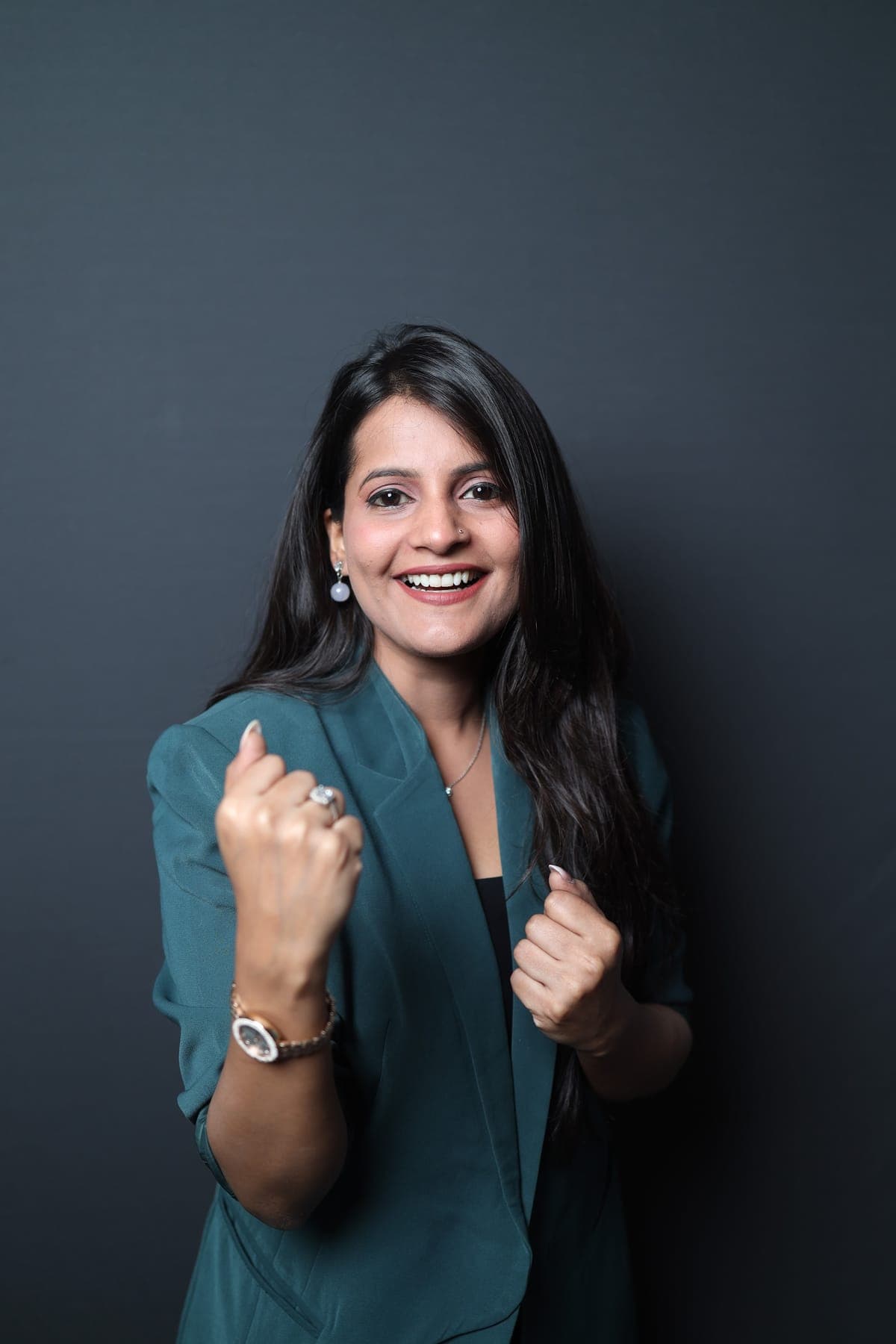
Learning from someone who works with couples and individuals every week means the frameworks are grounded in real practice, and that the boundaries between coaching and therapy are taught by someone who works on both sides of that line. Tripti has counselled 2,000+ couples and trained 1,000+ coaches, and teaches live, so you can bring your own questions.
An honest promise
The programme gives you skills, structure and a certificate from a practising psychologist. Your results as a coach will depend on your own practice and effort. Be wary of any programme, anywhere, that promises overnight incomes.
Where to go next
- Live Relationship Coaching Workshop₹999 · Live online · English & HindiA focused live workshop to experience the work, meet Tripti and decide if coaching is your path.See details
- Relationship Coach CertificationLive cohort · OnlineThe complete professional training: frameworks, supervised practice, ethics and business, leading to your certification as a Relationship Coach.See details
Questions people ask
Do I need a psychology background?
No. Many successful coaches come from teaching, HR, wellness or simply life experience. The programme starts with foundations and builds from there.
Is a relationship coach the same as a therapist?
No, and the programme teaches this distinction carefully. Coaches support growth, communication and goals; therapists treat mental-health conditions. You'll learn when and how to refer.
What language is the programme taught in?
English and Hindi, as on the live masterclasses.
Where should I start?
If you're unsure, join the ₹999 live workshop first. It's the best way to experience the teaching and ask your questions before committing.
Helpful reading
Becoming a coach · 6 min read
How to become a relationship coach in India: skills, ethics and training
If friends already bring you their relationship troubles, coaching might be a path. What the work involves, the skills and ethics it needs, and how to train well.
Becoming a coach · 6 min read
Coaching ethics: when a relationship coach should refer a client to a therapist
Knowing your limits is the mark of a good coach. The signs a client needs more than coaching, how to refer kindly, and what to do in a crisis.
Therapy explained · 6 min read
Psychologist, psychiatrist, counsellor or coach: who should you see in India?
Psychiatrist, clinical psychologist, counsellor, coach: the titles are confusing. Who does what in India, and how to know where to start.
Ask for the next batch's dates and fees.
Message the team on WhatsApp, or start with the ₹999 live workshop.
Noida, Delhi NCR · English & Hindi